Section 1: Hero
"Express Yourself Through Music"Patent-Pending Musical Communication for Stroke Survivors and People with Acquired Speech DisordersBuilding Clinical Relationships with Speech Pathologists in Melbourne and ManilaFor Speech Pathologists
Learn Jun's & Gerald's Stories
Section 2: Important Notice
⚠️ Important NoticeJunbell is a consumer accessibility app designed to complement existing
communication methods. It is not intended to replace professional speech
therapy, medical treatment, or prescribed AAC devices.
Section 3: Jun's Story
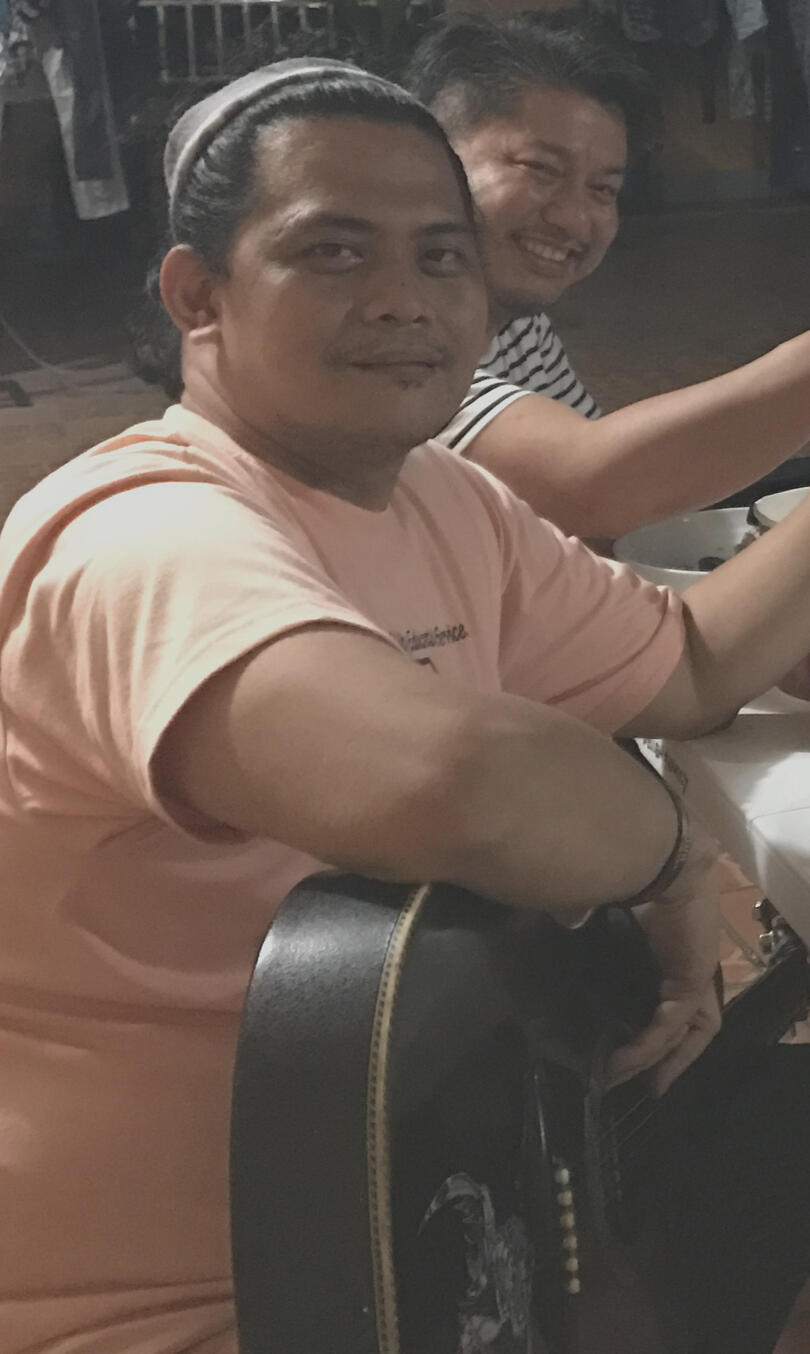

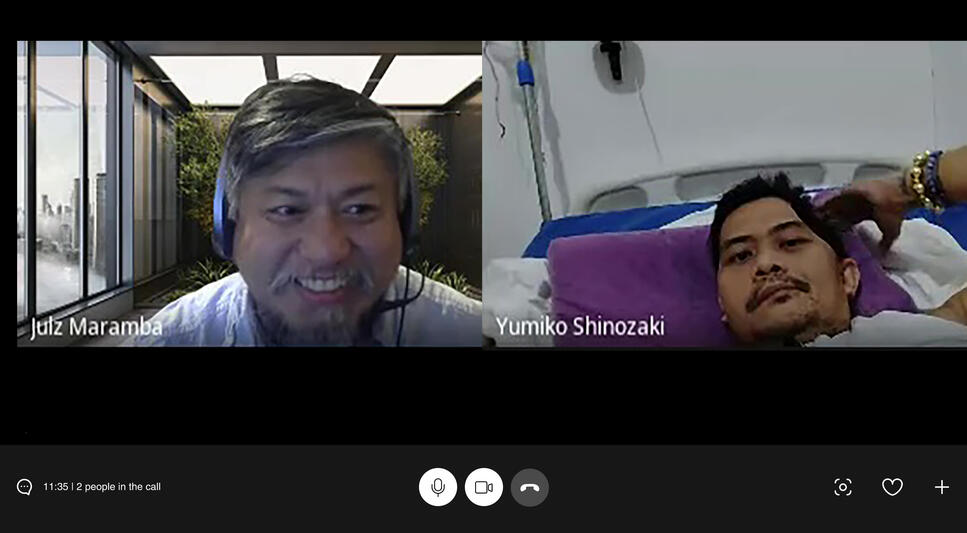
The Story Behind Junbell"From Friendship to Innovation"Jun wasn't just my best friend—he was a guitarist who never gave up.
Born with polio, he walked with a limp his entire life but never let it slow him down. With our mutual love for music, we attempted to form a band back in our uni days, and Jun's guitar
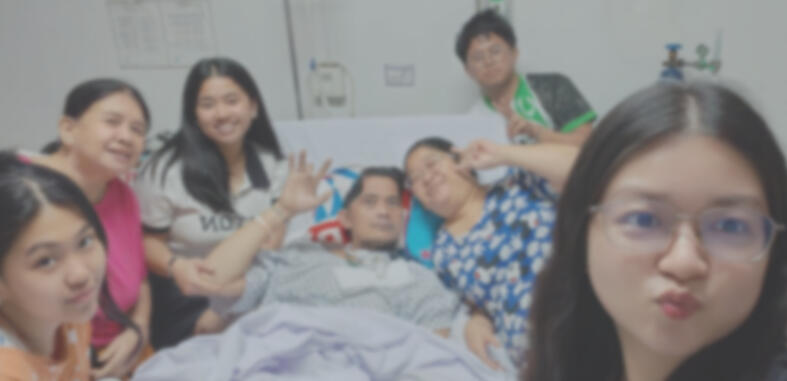
became his voice and his passion.Then came March 2025. A stroke affected Jun's speech and ability to
communicate with his spouse and his three children. Watching my best friend
struggle to express himself was heartbreaking. He resorted to knocking and gestures—functional, but limiting and sometimes frustrating.On September 11th, 2025, while humming "While My Guitar Gently Weeps,"
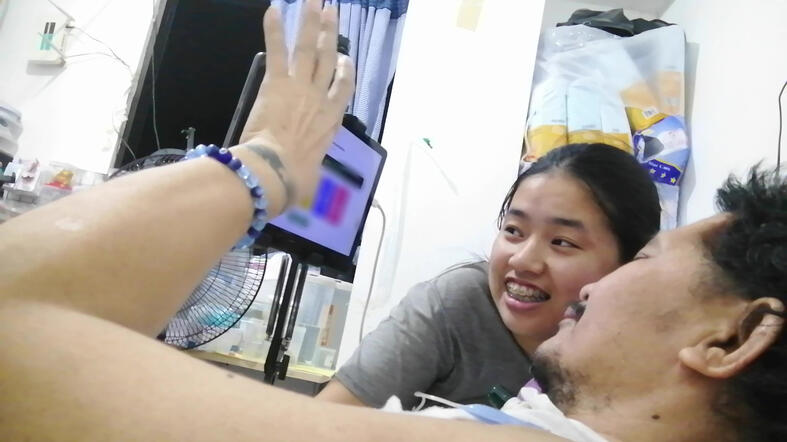
the words changed in my mind: "While my guitar gently SPEAKS."That's when it hit me: What if we could harness music to help people communicate?I developed the MVP, then filed a Provisional Patent Application.What started as a solution for one friend revealed a widespread need.Jun is now using Junbell—particularly for emergencies—and his family
is actively encouraging adoption. While he's still building the habit
(behaviour change takes time), he's increasingly choosing Junbell over knocking when he needs to communicate something specific.This early validation—both the successes AND the challenges—inspired
us to conduct proper clinical research before widespread launch.We're learning that teaching a new communication system requires:
- Structured daily practice
- Family encouragement and participation
- Patient motivation and time to build habits
- Clinical support for optimal implementationThat's why we're partnering with speech pathologists—to understand what works, what doesn't, and how to help families succeed.
Gerald's Story
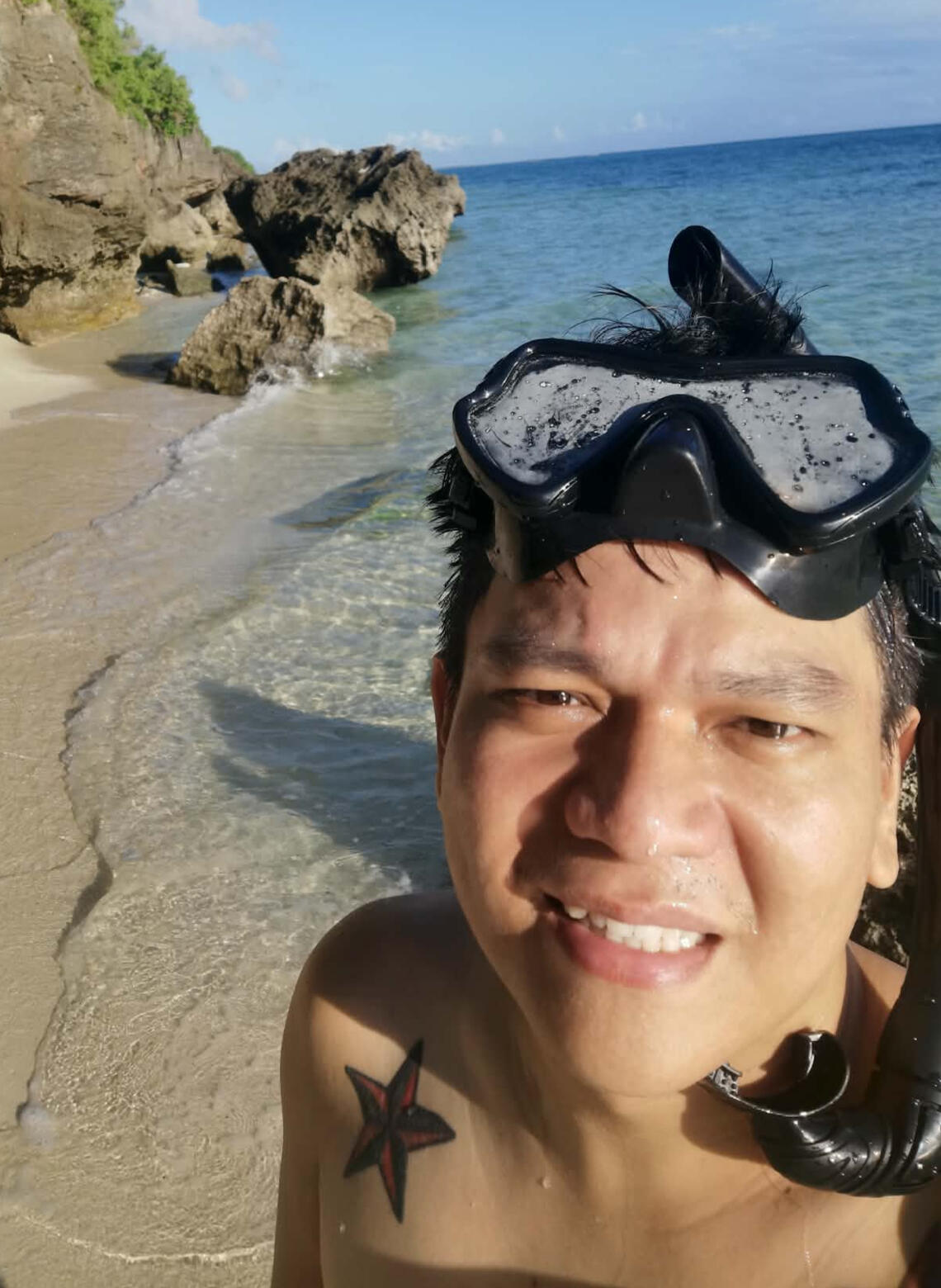
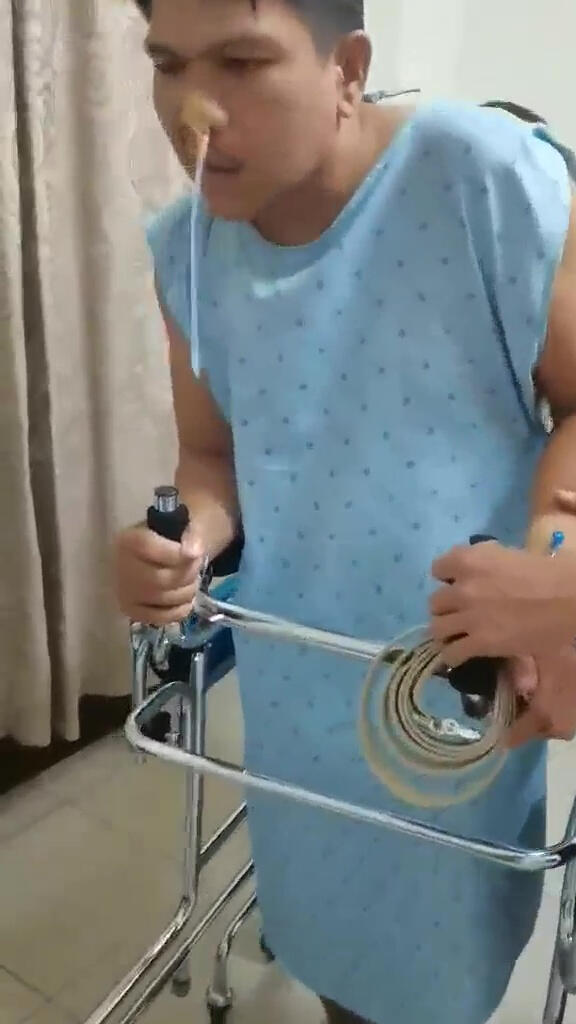
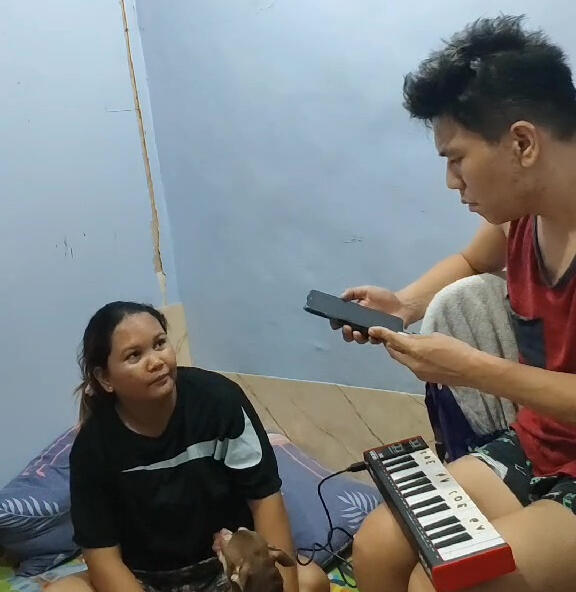
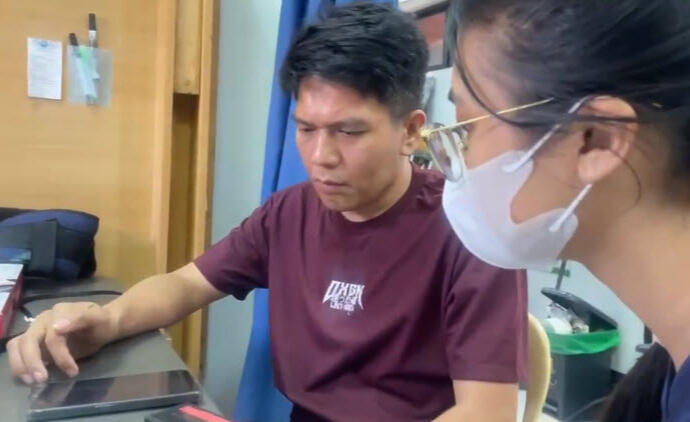
Getting Back Behind the WheelGerald Guevara is a 34-year-old cab driver from Cebu who experienced a stroke in August 2024. He has dysarthria and dysphagia — a motor speech and swallowing disorder that affects the muscles used for speech, not the brain's ability to understand or form language. He can understand everything, read, and type, and now uses Junbell to communicate verbally."Pero pag nakilala mo ang panginoon everything will be fine" - Gerald
(But when you know the Lord, everything will be fine)After months of depression and frustration, Gerald found Junbell. Now he's testing Junbell 4 (Bisaya version) with JunType keyboard and JunReady to communicate with family and others as he prepares to return to his cab, potentially."Mas naging easier yung communication ko sa mga kasama ko sa bahay"
(Communication with my housemates has become much easier) - January 2026[Watch Video: Gerald communicates with his aunt using JunType]Gerald represents millions of younger stroke survivors who need
affordable communication tools for real-world scenarios like work
and mobility.Gerald has since used Junbell to order food on his own at a fast-food counter — no one speaking for him, no one translating. It's a small everyday moment most people never think twice about. It's also exactly the kind of independence Junbell exists to give back.In June 2026, Gerald used Junbell entirely on his own — no family member, no clinician nearby — to sort out a mix-up at a local eatery where he'd been shortchanged. In his own words: 'buti nlng may junbell na explain ko' — 'good thing I had Junbell to explain it.' That's not a demo. That's daily life.Currently testing: Junbell 4
Stroke date: August 2024 (17 months post-stroke)
Location: Cebu, Philippines
Section 4: Clinical Foundation
Why Musical Communication WorksThe Clinical Advantage: Leveraging Preserved AbilitiesResearch shows stroke survivors often retain musical processing abilities
even when speech is severely impaired.[1] This principle underlies Melodic
Intonation Therapy (MIT), an evidence-based approach used by speech
pathologists worldwide to help stroke survivors with aphasia.[2]Jun's experience suggests this advantage:
After his stroke in March 2025, Jun is unable to speak—but
he could still recognize melodies, distinguish musical notes, and use a
tablet keyboard interface to produce musical patterns. While his guitar-
playing abilities haven't yet returned, his musical processing remains intact.Junbell builds on this neurological advantage:
✓ 3-5 simple notes (not complex vocabulary)
✓ Musical patterns designed to feel intuitive (ascending tones = positive,
descending = negative)[3]
✓ Leverages preserved brain pathways (music processing often spared in
left-hemisphere stroke)
✓ Faster potential learning than sign language (days to weeks, not months)
✓ This also means Junbell isn't limited to aphasia — it's proving useful for other acquired speech disorders too, including dysarthria, where the difficulty is in producing speech rather than understanding or forming language.In conversations with researchers in stroke rehabilitation and biomedical engineering, we've been asked fair, hard questions: What if someone can't process music at all after their stroke? What if a new system asks too much of a memory that's already working hard to recover? What's the fastest path if someone needs to say something right now? Those questions are exactly why Junbell isn't just the musical system — JunType and JunReady mean nobody has to learn anything, or use music at all, before they can start communicating.The Technology-Independent Advantage:Unlike traditional AAC devices that stop working when batteries die or
devices break, Junbell's 5-note system can work with ANY sound source:- Tablet/smartphone app with piano keyboard interface (Jun's preference)
- MIDI keyboards (for those with finger dexterity)
- Acoustic instruments (kalimba, piano, bells)This means:
✓ Device dies? Use acoustic instrument.
✓ Device breaks? Communication method continues.
✓ Traveling light? Pocket kalimba ($15).
✓ Power outage? Acoustic backup works.This is unique in AAC: The language exists independent of the technology.
Once learned, the communication system is resilient and portable.---Research References:
[1] Särkämö et al. (2008). "Music listening enhances cognitive recovery and
mood after middle cerebral artery stroke." Brain, 131(3), 866-876.
[2] Norton et al. (2009). "Melodic Intonation Therapy: Shared Insights on
How It Is Done and Why It Might Help." Annals of the New York Academy
of Sciences, 1169, 431-436.
[3] Sound symbolism in language: Hinton et al. (1994). "Sound Symbolism."
Cambridge University Press.
Section 5: Current Phase
Current Phase: Building the Evidence Base, One Relationship at a TimeWe're Doing This Right, Not FastThe AAC device industry has a 60-70% abandonment rate within the first
year.[4] We refuse to add to this problem.Where things stand:• Jun and Gerald continue to use Junbell in real life — Jun for emergencies at home in Manila, Gerald daily in Cebu, including sorting out everyday situations completely on his own.
• A/Prof Jeanette Tamplin, Head of Music Therapy at the University of Melbourne, has provided a formal letter of support describing Junbell as addressing "a gap in clinical service provision" with "potential for commercialisation and dissemination on a global scale."
• We're preparing for our first in-person clinical demonstration with speech pathology leaders from the University of Melbourne and Austin Health.
• Junbell was selected for Remarkable Launcher 2026, a global disability tech pre-accelerator program, and is a finalist in the TechDiversity Awards 2026 (Campaign of the Year).What we're still learning:
• Whether Junbell works as well for people without a musical background as it does for those with one.
• What training and support helps families build the habit of using it.
• Which patient profiles benefit most, and what level of hand function is needed.Public Launch: 2026 (TBA)
2026 (TBA) — with clinical input, real-world evidence, and training materials families can actually use.We're not rushing to market—we're building something families will
actually use long-term.---Research References:
[4] Johnson et al. (2006). "Factors that influence the use of AAC: A review
of the literature." Journal of Medical Speech-Language Pathology, 14(1),
9-27.
Section 6: For Speech Pathologists - Design Partner Program
Join Our Clinical Design Partner ProgramWe're Not Looking for Beta TestersWe're seeking 3 Melbourne & Manila speech pathologists to become Clinical Design
Partners—active collaborators who shape Junbell's clinical features.
What Design Partners Do:
✓ Test with 5 patients from your caseload (with consent)
✓ Shape clinical training materials based on real feedback
✓ Influence which features matter most to SLPs
✓ Co-author research case studies for publicationWhat You Receive:
- Free MIDI keyboard devices ($120 value each)
- Free software access during pilot
- Co-authorship on published case studies
- Listed as "Founding Clinical Partner" on our website
- First access to commercial partnerships
- Your insights directly shape the productTime Commitment:
- 30-minute initial call
- 15-minute weekly check-ins (phone/email)
- One 60-minute debrief after pilot
- Total: ~5-7 hours over 3 months
Why Partner With Us:✓ Clinical Credibility: Founder is ISAAC Australia and AGOSCI member—
we're building WITH the AAC community, not disrupting from outside✓ Real User Validation: Jun and his family use Junbell daily—this
works, we're refining HOW to scale it✓ Research Opportunities: Pilot findings submitted to International
Journal of Speech-Language Pathology and ISAAC conferences✓ Solve Real Problems: Address device-dependence frustrations and
high abandonment rates✓ Filipino-Australian Community: Direct access to underserved
population seeking affordable AAC solutionsCurrent Status:
Current Status: Building our clinical partner network for 2026–2027. If you're a speech pathologist or music therapist curious about Junbell, we'd love to hear from you.Ideal Partners:
- Treat stroke survivors with aphasia
- Curious about music therapy and communication approaches
- Based in Melbourne or Manila
- Want to contribute to AAC innovation"Express Interest in Design Partnership"
Section 7: Professional Credentials
Professional Affiliations
ISAAC Australia Member
International Society for AAC

AGOSCI Member
Australian Group on Severe
Communication Impairment
ARATA Member
(Australian Rehabilitation & Assistive Technology Association)
Patent Pending
Provisional Patent Filed
September 11, 2025
Poster Presenter — Australian Assistive Technology Conference 2026 (AATC), Melbourne, 11–13 November 2026, hosted by ARATA (Australian Rehabilitation & Assistive Technology Association)
Founder: Julius Caesar "Julz" Maramba"As an ISAAC and AGOSCI member, I'm committed to developing Junbell WITH
AAC professionals, not in isolation. Being part of the community helps
ensure Junbell truly serves those who need it most."- ISAAC Australia Member
- AGOSCI Member
- 20+ years engineering expertise
- Filipino-Australian entrepreneur
Section 8: Validation & Support
Building Junbell with Industry Recognition
Remarkable Launcher 2026
Selected for Global Disability Tech Pre-Accelerator
Junbell has been selected for Remarkable Launcher 2026, a 12-week
pre-accelerator program for early-stage disability and health tech
startups.Program Highlights:
✓ Cohort of 42 disability tech startups globally
✓ Masterclasses led by industry experts
✓ One-on-one coaching from Remarkable specialists
✓ March-May 2026 development intensive
✓ Showcase Day: May 26, 2026Supported by:
Cerebral Palsy Alliance | TPG Telecom Foundation | LaunchVicWhat this means:
Independent validation that Junbell addresses real needs in the AAC
and disability tech space. We're building with support from experienced
mentors who understand assistive technology.
Academic Research Interest
Building Clinical Validation PathwayMusic therapy and stroke rehabilitation researchers have expressed
interest in potential collaboration on Junbell validation studies.Potential Research Areas:
✓ Clinical effectiveness with stroke survivors
✓ Ethics-approved testing protocols
✓ Grant-funded validation research
✓ International partnershipsCurrent Status:
Early discussions in progress. Research collaborations to be formalized
when academic schedules and appropriate funding align.Why this matters:
Academic research validation would provide evidence-based foundation
for Junbell's effectiveness across diverse stroke survivor populations.
Together:
Industry development (Remarkable) + academic research interest
= commercially viable AND clinically validated solution.
Get In Touch
Contact Information:
Julius Maramba
Email: [email protected]
Phone: +61 439 353 197
Location: Melbourne, Australia
Junbell™. All rights reserved.
Thank You
Thank you for reaching out!We've received your message and will respond within 24 hours.